Modern Home Security: How Smart CCTV Systems Offer Real Peace of Mind
Home security isn’t just about a static camera pointing at your driveway. What you really want is a system that’s active, intelligent, and connected a true smart CCTV security system that adapts to your home and keeps you in control. Below, we’ll explore in clear, user-friendly terms the major benefits of smart CCTV cameras and then dive into a detailed review of ten key competitors in the UK market, comparing their capabilities, what makes them stand out, and how they stack up.
Key Benefits of Smart CCTV Security Systems
Here are the main advantages of moving from a basic camera setup to a full-blown smart CCTV system and what features you should look for.
1. Remote Monitoring
With a smart CCTV setup you can view what’s happening at home from anywhere via your smartphone or tablet—as long as you have internet access. This means you can:
- Check whether the doorbell notification is just the postman, or something that needs your attention.
- Monitor your home while you’re away on holiday or at work, rather than relying solely on a neighbour’s “keep an eye” favour.
- Instant live-footage access gives you real peace of mind when you’re not there.
2. Intelligent Alerts
One of the big upgrades with smart CCTV systems is how they handle alerts. Rather than pinging you every time a leaf blows by, they can:
- Distinguish between irrelevant movement (cars passing, trees moving) and genuine security events (someone lingering by your gate).
- Let you assign specific monitoring zones, meaning you get fewer pointless notifications and pay attention when it really matters.
This helps you avoid “alert fatigue” and ensures the notifications you do receive are useful.
3. Night Vision Performance
Many break-ins happen when it’s dark, so capturing usable footage in low light is key. Smart CCTV systems deliver:
- Clear images even in darkness (using infrared or advanced low-light sensors).
- Better detail than older grainy night recordings, meaning even in poor lighting you might identify faces or vehicles.
This round-the-clock clarity is often a game-changer.
4. Smart Home Integration
Today’s smart CCTV systems don’t operate in isolation, they link with other devices to create a security ecosystem. For example:
- When motion is detected the system can trigger lights or sound an alarm, deterring potential intruders.
- Integration with smart doorbells, locks or sensors means the whole home becomes part of a coordinated defence.
- Some systems even auto-arm when you leave home and disarm when you return.
5. Cloud Storage Benefits
Rather than storing everything on a local hard drive in your home (which can be stolen or fail), smart systems often offer cloud backup:
- Footage is automatically uploaded to remote servers, safe from onsite damage or theft.
- You can access historical recordings from anywhere, very useful for evidence or checking past events.
- Reputable providers encrypt data so your recordings remain private and secure.
6. Financial & Insurance Benefits
While a full smart CCTV setup may cost more upfront than a basic camera, you often gain value in the long run:
- Insurance companies increasingly recognise smart-security systems and may offer discounts or lower premiums for homes that use them.
- Reduced maintenance: many systems are easier to update and monitor remotely, meaning fewer on-site visits or manual checks.
In many cases the initial investment starts to pay off.
7. Two-Way Audio
Another feature that really stands out for smart systems: built-in microphones and speakers that let you speak through the camera. Use cases include:
- Telling the delivery person where to leave a package without opening the door.
- Deterring an intruder by letting them know they’re being watched (without confrontation).
- Monitoring children arriving home from school or checking in on elderly relatives on your phone.
8. High Video Quality
Modern smart CCTV systems deliver high-resolution video, which means:
- You’re more likely to pick up useful details—faces, vehicle registration plates, distinguishing features.
- The footage is more meaningful for the police or insurers if you ever need to use it.
Quality really can make the difference between vague shapes and usable evidence.
9. Privacy Features
Security is important, but so is respect for privacy. Smart systems now include features to help with that:
- You can define recording schedules (e.g., only when you’re out) and mask off areas you don’t want to monitor (neighbours’ windows, private zones).
- Encrypted transmission and storage protect your data from unauthorised access.
- These features keep the balance between effective security and privacy concerns.
10. Regular Improvements & Software Updates
Unlike fixed old-school CCTV systems, the smart versions evolve:
- Software updates add new features (better analytics, integrations) or security patches to keep you safe from vulnerabilities.
- You often don’t have to replace hardware, just update the firmware.
- That keeps your system current and capable of handling new security challenges over time.
In summary: If you’re looking for more than just “a camera pointing at the driveway”, a smart CCTV system gives you real-time control, intelligent monitoring, better evidence, remote access, future-proofing, and often peace of mind that what matters is actually being watched and acted upon if necessary.
Top 10 Companies in the UK Smart Home Security / Smart CCTV Market
Below is an in-depth look at ten major players in the UK market for smart CCTV/home security systems. Each has its strengths, unique features, or market position. Understanding them helps you pick what’s right for your home and budget.
1. Ring
Ring is widely recognised for its video doorbells but has grown into a full smart camera/home security ecosystem. It’s strong on DIY install, mobile access, and broad market recognition. According to one review: “Ring … top for DIY installation”.
Why it stands out:
- Easy for users to set up without a tradesperson.
- Wide range of products: indoor cams, outdoor cams, doorbells, full kits.
- Strong brand, many users already familiar with the app and ecosystem.
Potential downsides: - Some features may require subscription.
- As a mass-market product, advanced features might not match top-tier prosumer systems.
Best for: Homeowners wanting a recognised solution, relatively simple install, integrated doorbell + camera functionality.
2. Arlo
Arlo has earned a reputation for higher-end video quality and more advanced cameras. It appears in many “top home security camera” round-ups.
Why it stands out:
- Premium video resolution options (including 4K in some models).
- Strong feature set in smart alerts, integration, wireless options.
Potential downsides: - Cost is higher than basic systems.
- Some features still behind subscription models.
Best for: Users looking for higher video quality, advanced features and willing to invest a bit more.
3. Blink
Blink is another well-known name in the home security camera space. Reviews list Blink among the top brands.
Why it stands out:
- Typically more affordable models.
- Good for simpler setups or as a supplementary camera.
Potential downsides: - May lack some of the advanced analytics, integrations or video quality of premium models.
Best for: Budget-conscious users, rentals, secondary cameras.
4. Eufy
Though not exclusively UK-based, Eufy appears in UK best-security-camera lists and offers strong value propositions.
Why it stands out:
- Offers models with good features at relatively lower cost (for example, solar‐powered wireless cams with no subscription).
- Focus on privacy and avoiding heavy subscription dependency.
Potential downsides: - As a smaller brand (compared to Ring/Arlo) support infrastructure may be less widespread.
Best for: Users who want strong value, less reliance on subscription services, wireless flexibility.
5. Nest (by Google)
Nest cameras (and doorbells) bring Google smart-home integration and a polished design. Listed in “best home security cameras” lists.
Why it stands out:
- Strong smart-home ecosystem (if you’re using Google Home/Assistant).
- High quality build, good video clarity, brand trust.
Potential downsides: - Subscription (Nest Aware) often required for full feature set.
- Might be pricier than bare-bones alternatives.
Best for: Users already invested in Google smart-home tools, looking for premium experience.
6. Bosch Security Systems
Bosch is a large, established brand especially trusted for professional and higher-end security equipment. It features in lists of top CCTV brands.
Why it stands out:
- Reputation for reliability, analytics, professional-grade equipment.
- Potentially strong for larger homes or where you might later expand the security system.
Potential downsides: - Possibly over-spec’d or costly for simple home setups.
- Might require professional install rather than DIY.
Best for: Larger homes, homeowners planning multiple cameras, integrated security beyond just a single cam.
7. Hanwha Vision
Also listed among trusted CCTV brands in the UK.
Why it stands out:
- Focus on image quality, smart features, and value.
Potential downsides: - Again, potentially more suited to professional installs or advanced users.
Best for: Users who want strong video and smart-features but still value for money.
8. Dahua
Another brand offering good value, presence in UK market acknowledged.
Why it stands out:
- Affordable in comparison to premium brands but still with many smart features.
- Good for achieving decent coverage without huge budget.
Potential downsides: - Support and brand prestige may not be as high as top tier names.
Best for: Value seekers, budget-conscious homeowners wanting coverage rather than top-tier bells and whistles.
9. VIVOTEK
Also mentioned among the “top CCTV camera brands you can trust in 2025”.
Why it stands out:
- A blend of innovation and affordability; decent features at competitive cost.
Potential downsides: - Might not have the full ecosystem (smart-home integrations) of more consumer-oriented brands.
Best for: Homeowners who want good performance without paying premium branding cost.
10. Axis Communications
Yet another brand in the list of trusted CCTV providers in the UK.
Why it stands out:
- Strong reputation in the pro/industrial segment, excellent image/analytics features.
Potential downsides: - Might be over-engineered (and over-priced) for typical home use.
- DIY installation may not be as straightforward compared to consumer-oriented solutions.
Best for: High-spec homes, security-enthusiasts, those who may scale up to more complex systems.
How They Compare & What That Means for You
When choosing a smart CCTV / home security system, the key is matching your needs, budget, and future plans to what a provider offers. Here are some critical factors and how our ten competitors line up:
| Factor | What to Ask | How The Brands Differ |
|---|---|---|
| DIY vs Professional Install | Do you want to DIY or have someone install it? | Ring, Blink, Eufy lean more DIY-friendly. Bosch, Axis may lean more pro-install. |
| Subscription Requirements | Are features locked behind a monthly fee? | Nest, Ring often push subscriptions. Eufy emphasises lower dependency. |
| Video Quality / Feature Set | Resolution, analytics, night-vision, two-way audio. | Arlo, Bosch, Axis offer high spec; Blink, Dahua offer more budget options. |
| Smart Home Integration | Works with Alexa, Google Assistant, Apple HomeKit? | Nest (Google), Ring (Amazon) strong here; other brands vary. |
| Scalability & Coverage | Do you plan one camera or whole-home coverage? | Bosch, Hanwha, Axis better for scale; consumer brands for single/few cams. |
| Cost vs Value | Balance between how much you pay and what you get. | Dahua, VIVOTEK provide value; premium brands cost more but may offer more. |
| Support / Brand Trust | Warranty, UK support, long-term reliability. | Large brands (Bosch, Nest) have strong support; smaller value brands may less so. |
What this means for you:
- If you live in a standard UK home, want simple remote access, and don’t plan dozens of cameras, a mid-tier DIY brand (Ring, Eufy, Blink) may hit the sweet-spot.
- If security is a high concern (large property, many access points, premium area) then investing in higher spec (Arlo, Bosch, Axis) makes sense.
- If budget is tight but you still want smart features, value brands (Dahua, VIVOTEK) are interesting just check support and integration caveats.
- Always check the “hidden” costs: subscriptions, cloud storage fees, professional install.
- Consider future growth: even if you start with one camera, choose a system that lets you add more devices without switching ecosystems later.
Here is a comparison table of specific smart CCTV / home security camera models available in the UK, with approximate pricing and key features to help you compare. All models meet the criteria for a modern smart CCTV system and the brands we discussed earlier.

Ring Wired Video Doorbell Pro (3rd Gen)

Ring Outdoor Camera Pro Plug‑In (newest gen)
Arlo Essential 3 Outdoor Camera
Arlo Pro 5 2K+ Outdoor Camera
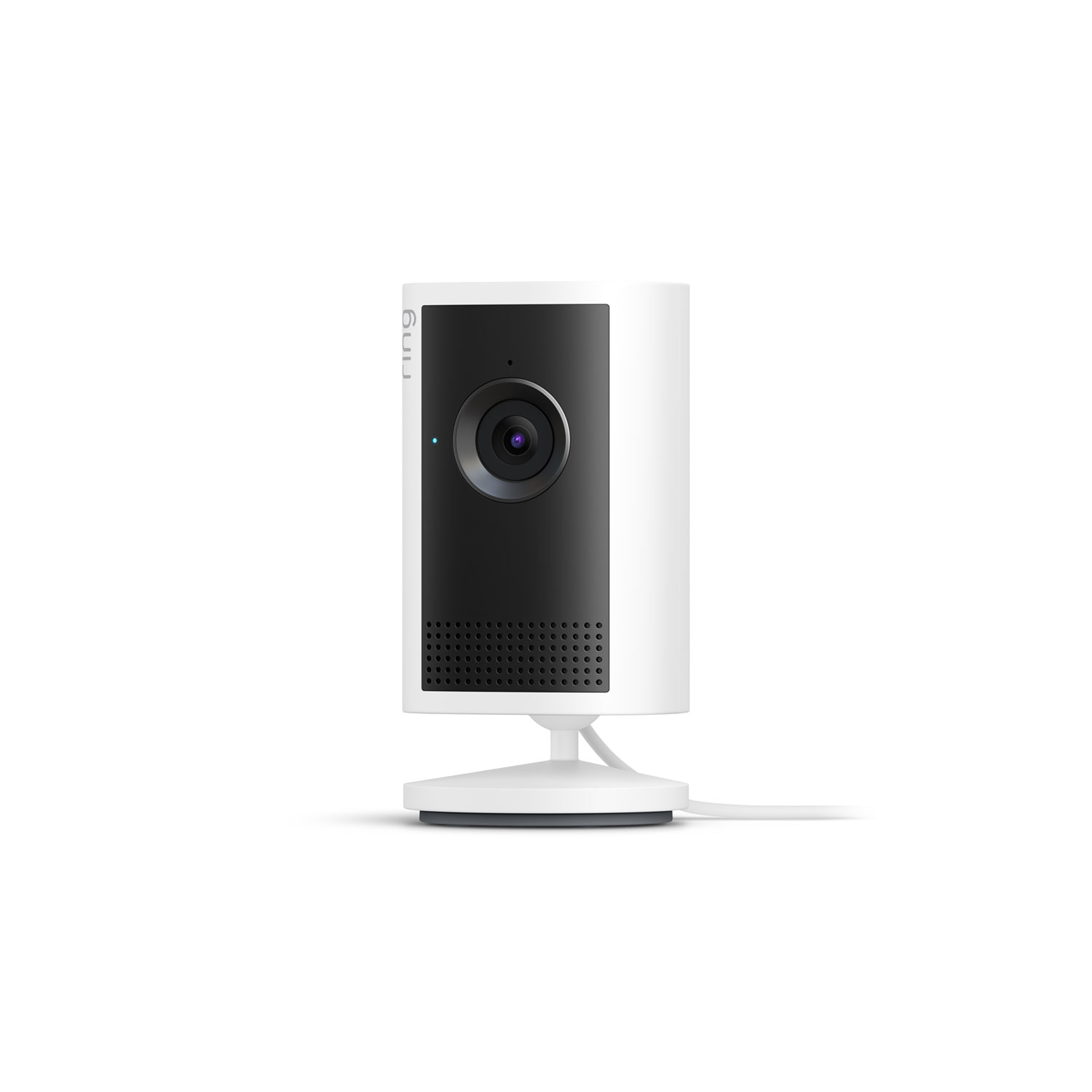
Ring Indoor Camera Plus (2K)

Arlo Essential 2 K Indoor Camera 2‑Pack
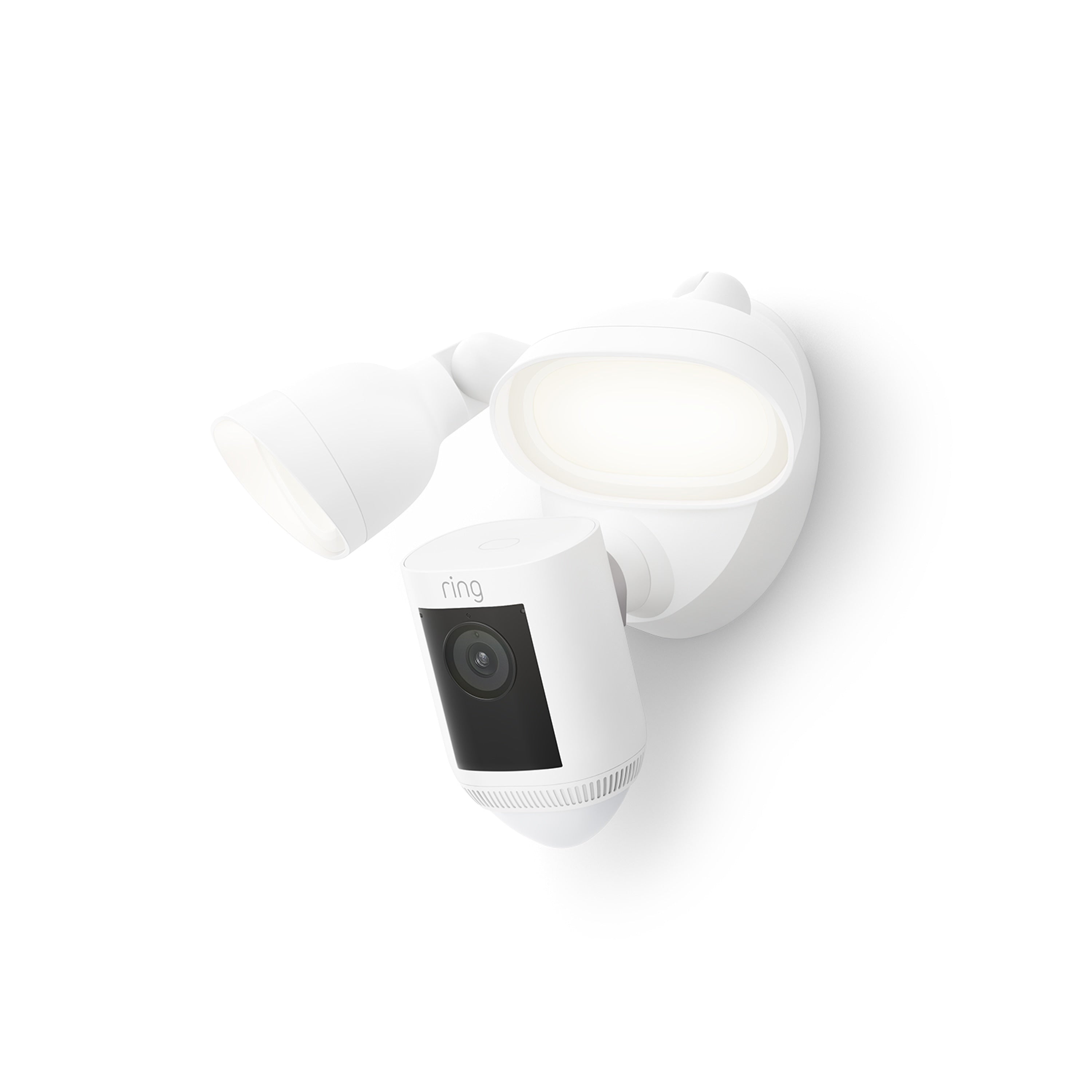
Ring Floodlight Cam Pro (newest gen)
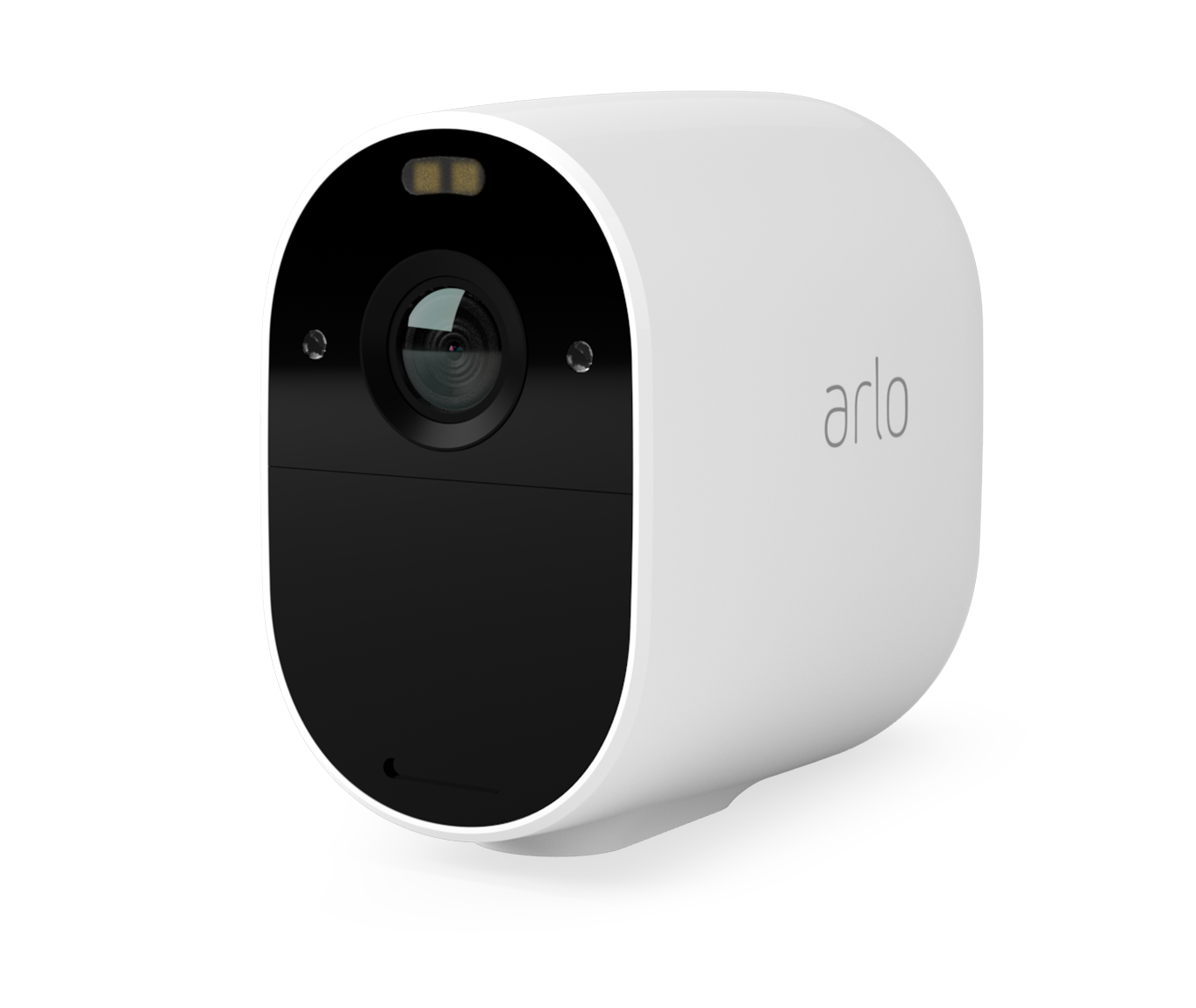
Arlo Essential Spotlight Camera
•
And here’s a breakdown of each product with features & pricing context:
- Ring Wired Video Doorbell Pro (3rd Gen): A premium door-bell integrated smart CCTV solution from the brand Ring. UK pricing starts from about £219.99. This gives you high resolution video at a key entry point, plus smart alerts, mobile access etc.
- Ring Outdoor Camera Pro Plug‑In (newest gen): This is an outdoor smart camera from Ring, also premium spec (4K in some versions). UK listing at around £179.99 for the Plug-In version. Good for outer-perimeter monitoring.
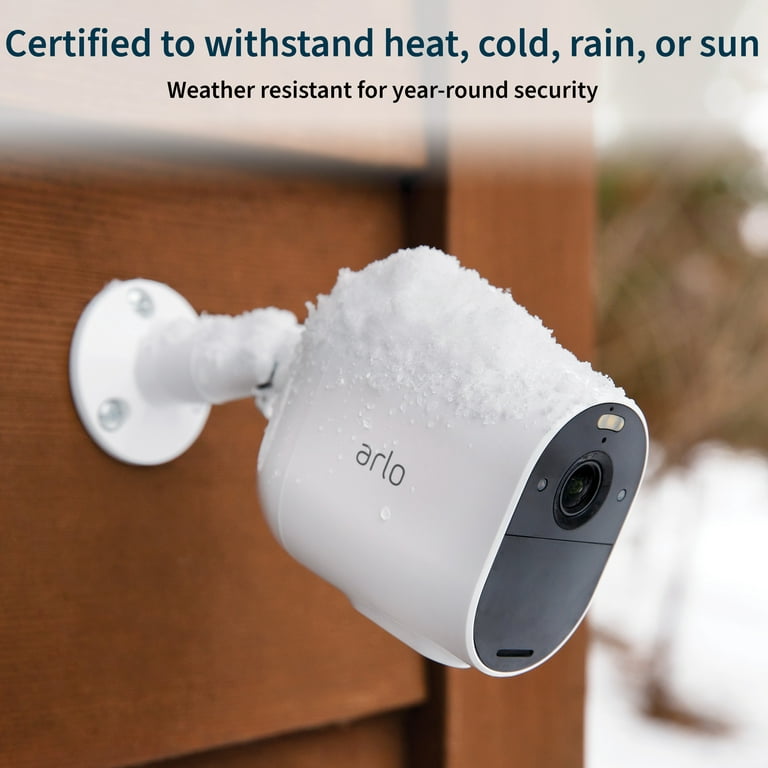
- Arlo Essential 3 Outdoor Camera: From Arlo, a more value-conscious outdoor smart cam. The “Essential 3” line begins at about £99.99 in the UK for some models. This is great if you’re balancing cost vs features.
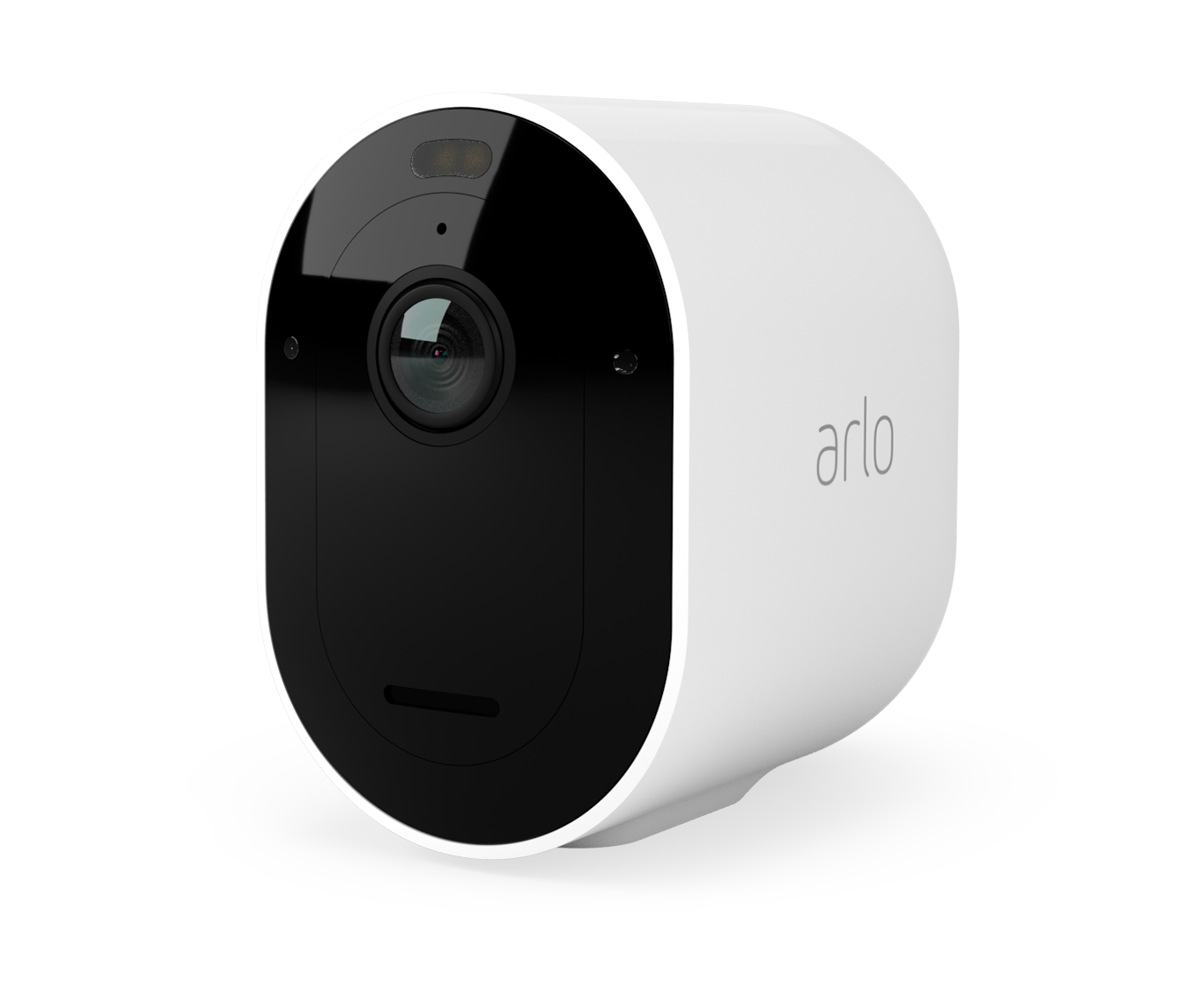
- Arlo Pro 5 2K+ Outdoor Camera: A higher-end outdoor camera from Arlo with 2K+ resolution and advanced features. UK listings show this model among the range of premium cams. If you want stronger video quality this is suitable.
- Ring Indoor Camera Plus (2K): Indoor smart CCTV camera from Ring with 2K resolution and good value pricing (UK sale from around £39.99 for base model). Handy for inside the home coverage.
- Arlo Essential 2 K Indoor Camera 2‑Pack: Indoor camera bundle from Arlo (2-pack), giving cost advantage when covering multiple rooms. UK “from” pricing listed around £99.99 for starter versions. Good for multiple indoor vantage points.
- Ideal if you want built-in deterrent lighting + camera.
- Arlo Essential Spotlight Camera: A more budget-friendly outdoor smart cam with spotlight feature. UK pricing “from” about £129.99 or thereabouts. PriceSpy UK Good value option for outdoor monitoring with added lighting.
How to use the comparison in your decision
Here are some practical tips for applying this table:
- Entry vs perimeter vs indoor: Use a doorbell cam (like the Ring Wired Video Doorbell) for your front door/entry point. Use outdoor cams (Ring Outdoor Camera Pro, Arlo Essential 3) around the property. Use indoor cams (Ring Indoor Camera Plus, Arlo Essential 2K Indoor) for inside spaces.
- Budget tiering: If budget is tight go for value-models (Arlo Essential, Arlo Spotlight). If you want premium performance go for the higher resolution/premium models (Arlo Pro 5, Ring Floodlight Cam Pro).
- Video resolution & feature set: Higher resolution means better clarity (helpful for identifying faces, number-plates). Higher tier often includes more smart features (AI detection, custom zones, cloud storage). Make sure to check whether features require subscription.
- Subscription & storage costs: Some models offer lower up-front cost but require subscription for full functionality (cloud storage, advanced alerts). If you want minimal recurring cost, look for models that emphasise “no subscription required” (or local storage). Example: Arlo Essential line may require fewer ongoing fees. (As noted, some Arlo AI features are subscription-based).
- Expandability & ecosystem: If you foresee adding more cameras later, pick a brand that offers a broad ecosystem. Ring and Arlo both offer multiple camera types and doorbells, so you can build out coverage over time.
- Installation type & DIY vs pro: Some models are plug-and-play DIY. Others (especially wired outdoor/floodlight systems) may benefit from professional installation. Make sure the model you pick matches your installation comfort and property layout.
- Indoor vs outdoor: Make sure outdoor cams are rated for weather/resistance. Indoor cams don’t need to have heavy weatherproofing. So differentiate usage to get best value.
Final Thoughts
Smart CCTV and home security systems are no longer just a “nice to have” they’re becoming a must for homeowners who value both convenience and protection. The benefits are clear: you gain remote monitoring, smarter alerts, better evidence, integration with other smart-home gear, and long-term flexibility.
When choosing the right provider in the UK market, look at how each brand meets your lifestyle. Do you want a plug-and-play install? Are you willing to pay for premium video and analytics? Do you already use Alexa or Google Home and want seamless integration? Or is budget your main driver and you’re okay with a simpler setup?
By weighing features, cost, usability and support, you can pick the solution that gives you real peace of mind so you’re not just installing a camera, you’re building a smart security system that truly works for your home.