
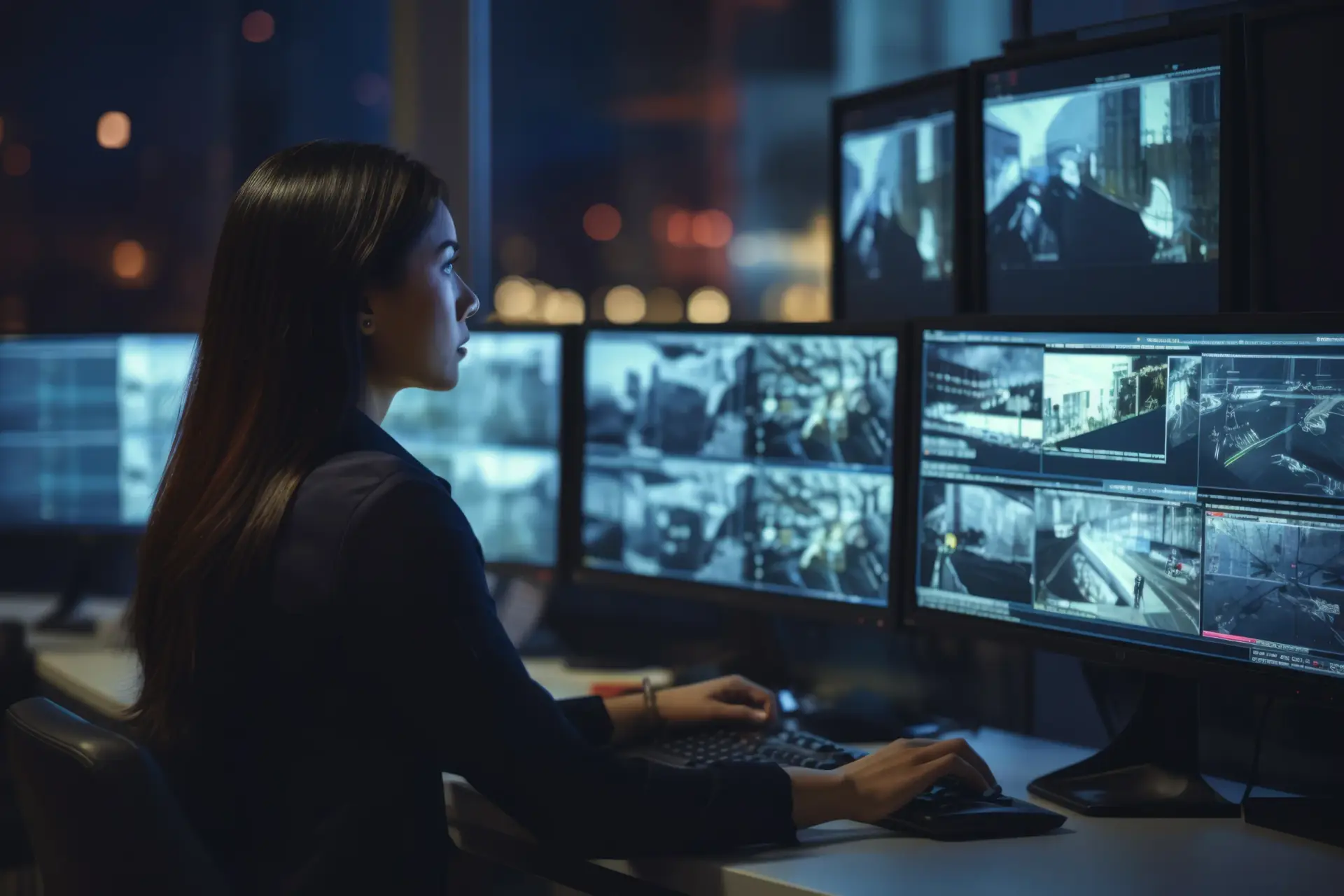
London is one of the most monitored cities in the world. With thousands of CCTV cameras in London peppered across streets, transport hubs, and public spaces, the city has earned a reputation as a “surveillance capital.” But why is London under such intense watch, and what does this mean for residents and visitors?

Historical Context of Surveillance in London
The rise of CCTV in London can be traced back to the 1970s and 1980s. Initially, cameras were installed in high-crime areas to help the police reduce theft and vandalism. Over time, surveillance expanded due to growing concerns about public safety, terrorism, and urban crime.
High-profile incidents, such as the 2005 London bombings, accelerated investment in surveillance technology. Today, cameras are not just tools for crime prevention—they are an integral part of the city’s strategy to manage public spaces and respond to emergencies.
Crime Prevention and Public Safety
One of the main reasons London is heavily surveilled is to deter crime. CCTV acts as both a preventive and investigative tool:
- Deterrence: Visible cameras discourage petty crime like theft, vandalism, and anti-social behavior.
- Investigation: Footage helps the police identify suspects, reconstruct incidents, and provide evidence in court.
- Rapid Response: Security teams and law enforcement can monitor crowded areas in real time, allowing quick interventions during emergencies.
Counter-Terrorism Measures
Terrorism threats have played a significant role in London’s surveillance policies. Cameras are installed at transport hubs, public squares, and major landmarks to detect suspicious activity and protect citizens. The use of facial recognition technology and AI-powered monitoring has also increased in recent years to enhance security.
Public Transportation Monitoring
London’s transport system, including the Underground, buses, and train stations, is among the most surveilled in the world. CCTV in public transport helps:
- Reduce fare evasion and anti-social behavior.
- Track lost or stolen property.
- Monitor for safety hazards and incidents.
- Controversy and Privacy Concerns
While surveillance enhances security, it has sparked debates about privacy and civil liberties. Critics argue that mass monitoring may lead to overreach, data misuse, or a “Big Brother” culture. London authorities have responded by regulating camera use, ensuring compliance with privacy laws, and using technology responsibly.
FAQ
Q1: How many CCTV cameras are there in London?
A1: Estimates suggest there are over 500,000 CCTV cameras across London, making it one of the most monitored cities globally.
Q2: Why does London have so many cameras?
A2: The primary reasons are crime prevention, public safety, counter-terrorism, monitoring public transport, and managing large crowds during events.
Q3: Are all CCTV cameras in London monitored 24/7?
A3: Not all cameras are actively monitored at all times. Some are for recording purposes, while high-risk areas are actively watched by security personnel.
Q4: Does London use facial recognition technology?
A4: Yes, certain cameras in London are equipped with facial recognition software, especially in transport hubs and public events, to identify suspects or missing persons.
Q5: Is it legal to have so much surveillance in London?
A5: Yes, but it is regulated. Surveillance must comply with data protection laws, and authorities are required to justify camera placement and ensure the footage is used responsibly.
Q6: Does CCTV really reduce crime in London?
A6: Studies show that CCTV helps deter petty crime and aids investigations. However, it is most effective when combined with police presence and community engagement.
Q7: Are citizens’ privacy rights protected?
A7: Yes. UK laws, such as the Data Protection Act and GDPR, regulate how footage is collected, stored, and accessed to protect privacy.