
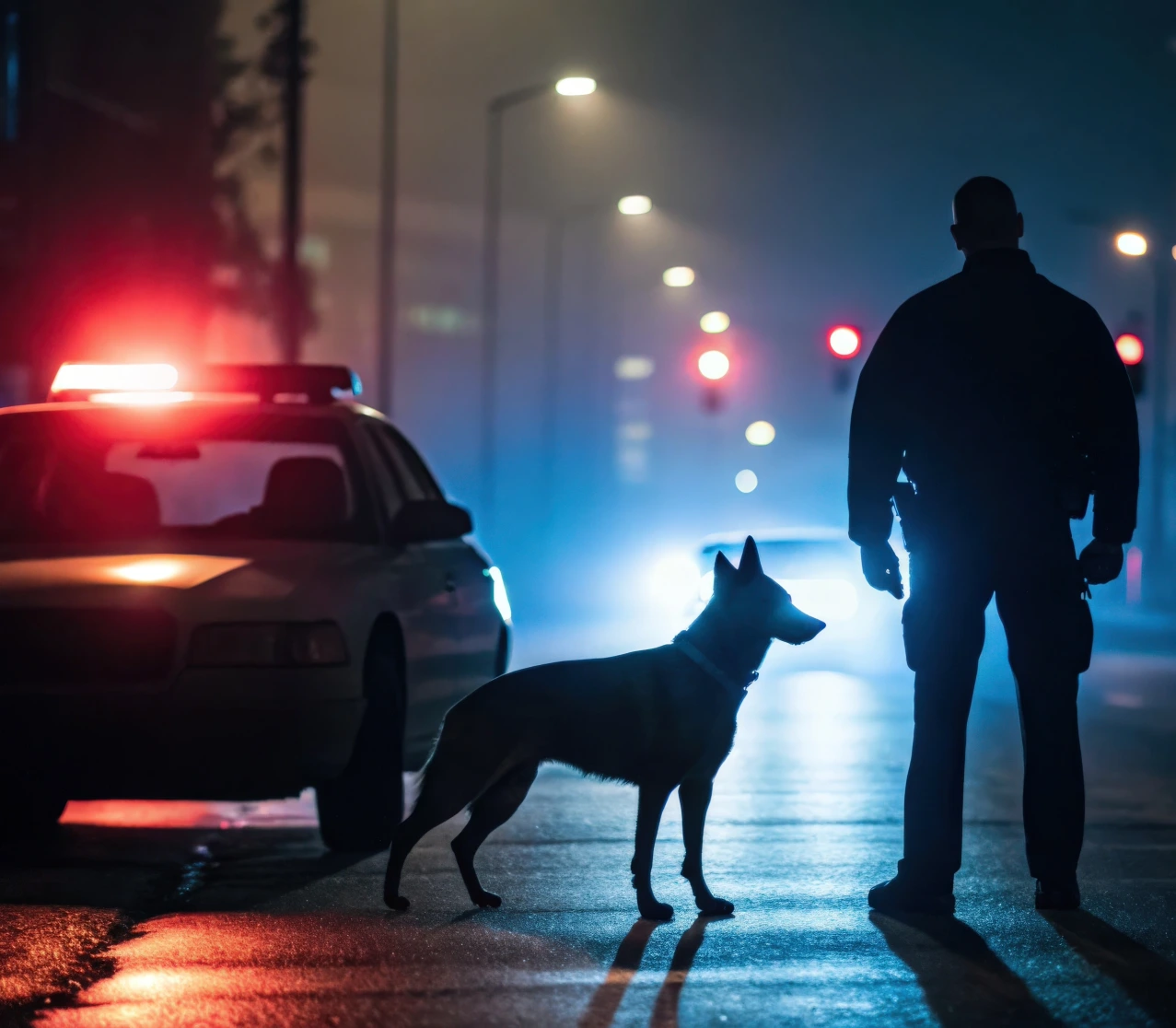
What is K9 security and why it matters?
K9 security units refer to specially trained dog-and-handler teams deployed as part of a broader security strategy. These dogs perform tasks such as explosive detection dogs, narcotics detection dogs, perimeter patrol dogs, crowd-control K9 units, and more.
Their effectiveness comes from a combination of:
- A dog’s extraordinary sense of smell and hearing (far beyond human or camera-based systems).
- Their ability to act quickly in dynamic or large physical spaces (for example patrolling a warehouse or outdoor area).
- Their visible presence which contributes to strong deterrence of crime or intrusion.
You’ll commonly find K9 units in:
- Airports or transit hubs (screening luggage/passengers for explosives or contraband)
- Private estates, corporate offices and large-scale facilities (detecting drugs, explosives, perimeter intruders)
- Large events, concerts, festivals — where crowd control and detection of illicit substances is key.
The key benefits of K9 dog security services
Here are the major advantages of incorporating a well-managed K9 program into your security operations:
1. Strong deterrence factor
A visible K9 team often prevents incidents before they occur. The mere presence of a highly trained dog and handler signals to would-be intruders that your premises are not an easy target.
2. Enhanced detection capabilities
Dogs can detect scents of explosives, narcotics, hidden persons or objects in ways that many technologies or human guards cannot match.
For example, in environments with limited visibility or large perimeters, a K9 unit can pick up on anomalies faster.
3. Operational versatility
Whether it’s mobile K9 patrols, static K9 guards, event security K9 units, or detection K9 teams, these dogs can adapt to multiple roles, making them a flexible asset in your security mix.
4. Cost-effectiveness over time
While initial setup (training, handler recruitment, dog care) can be high, in many cases a single well-deployed dog team covers large areas more efficiently than multiple human guards—or sophisticated technology— thus reducing long-term labour or equipment costs.
5. Enhanced public confidence and image
Having a professional K9 security team can boost stakeholder and employee confidence. It signals that your organisation invests in advanced protection.
How to integrate K9 units into your security strategy?
If you’re considering deploying K9 units, follow these structured steps to ensure optimal results.
Step 1: Assess your security needs
- Identify key risk zones: Are you managing large outdoor perimeters, controlling multiple entry points, dealing with contraband, or facing crowd-management issues?
- Match the K9 unit’s strengths to your requirement: For example, detection focus vs patrol focus.
This aligns the investment with the highest impact areas for your business.
Step 2: Decide between in-house vs outsourced K9 team
- Outsource (hire a professional K9 security company): Quicker to deploy, leverages trained handlers and cert-dogs already in service.
- In-house creation of K9 unit: Gives you more control over training, dog choice, uniforms and operating culture—but requires significant investment (dogs, handler training, ongoing care, certifications).
Irrespective of the route, ensure the handler-dog teams are certified, ethically trained and compliant with applicable legal/licensing requirements.
Step 3: Establish operational protocols
- Define clear deployment zones, standard operating procedures (SOPs) for handler-dog behavior, incident response, integration with other security measures (CCTV, access control).
- Determine escalation protocol: When does the dog engage, when does the handler intervene, how is medical/veterinary care handled?
- Set performance metrics: e.g., number of successful detections, false positives, patrol coverage.
Step 4: Maintain dog health, training and welfare
- Regular veterinary check-ups, fitness programs, nutritional diet, rest and recovery schedule.
- Ongoing training for both dog and handler—both technical detection/patrol work and behaviour/handler bonding.
- Retire dogs humanely when age or health necessitates. Good welfare ensures better performance and reduces liability.
Step 5: Combine K9 units with other security layers
- K9s are extremely valuable, but not a complete substitute for all other security measures. They should be part of a multi-layered security strategy: physical guards, access control systems, CCTV, alarms, cyber and personnel security.
- Use the dog unit as a force-multiplier rather than the sole solution.
Best practices for managing dog & handler teams
Effective management of K9 units goes beyond deployment—team cohesion and regular review are key.
- Handler-dog bond: The success of a K9 unit depends on trust and coordination between the dog and handler. Time training together, reinforcing commands, shared deployment experience all contribute.
- Regular performance review: Schedule periodic audits of dog-response time, handler compliance, deployment mapping, incident outcomes. Adjust assignments as needed.
- Legal and ethical compliance: Stay on top of local regulations for working dogs in security, liability issues (dog bites, public interaction, etc.).
- Integration with law-enforcement: Partnering with local law enforcement or certified K9 training bodies can raise standards and provide valuable training insight.
Challenges of deploying K9 security units
No security solution is without challenges; the K9 route has its specific considerations.
- High upfront and ongoing cost: Purchasing or acquiring suitable dogs, training them, paying handler salaries, vet care, equipment – these add up.
- Finding qualified handlers: Skilled dog handlers with both security and canine training expertise may be in limited supply.
- Liability and public perception: Dogs on-duty in public spaces can raise concerns around aggression, injury risk, accessibility compliance, and public comfort. You must manage these proactively.
- Operational limitations: Dogs require rest, cannot be on constant high-alert indefinitely, may be less effective in extremely confined spaces or climates not suited to certain breeds—so you must tailor accordingly.
- Training & performance degradation: Without continuous training and upkeep, both dog’s performance and handler-dog coordination can decline.
Frequently Asked Questions (FAQ)
Q: How do I become a K9 security officer?
A: Generally you need to begin as a licensed security officer, gain experience (security, law-enforcement, military), then enrol in a recognised K9 handler training program. Many firms supply the dog, but having both handler and dog credentials boosts employability.
Q: What dog breeds work best for K9 security?
A: Breeds commonly used include German Shepherds, Belgian Malinois, and Labrador Retriever (especially for detection tasks) due to intelligence, agility, trainability and work drive.
Q: Are K9 units more effective than traditional guards or cameras?
A: In many scenarios yes—dogs have scent and hearing capabilities cameras/guards lack, and they offer a strong deterrent. But they work best when combined with other layers (guards, CCTV, alarms) rather than replacing them entirely.
Q: Do K9 units require special insurance or legal compliance?
A: Absolutely. You’ll typically need liability insurance covering dog-related incidents (bites, property damage, handler injury), and must follow laws/regulations for working animals in your jurisdiction.
How Can Nexo Security Help You?
If you’re looking to integrate high-performance K9 security services into your organisation, here’s how we can simplify the process:
- End-to-end solution: From risk assessment to dog-handler team deployment to ongoing training & maintenance.
- Technology integration: We provide a platform to manage certifications, scheduling, incident reporting, dispatch and geo-fencing of K9 units (ensuring full operational accountability).
- Customised programmes: Tailor K9 deployment for your site type (large warehouse, event venue, corporate estate) and threat profile (contraband, intrusion, crowd control).
- Compliance & risk management: We help you navigate regulatory, insurance and welfare requirements so you’re fully covered.
- Performance metrics & reporting: Track ROI of your K9 unit detection rates, response times, incident reduction, and cost-savings analysis.
Final Thoughts
Deploying a K9 security unit is a powerful move for any organisation serious about raising its security posture. The combination of visible deterrence, superior detection ability, and operational flexibility means dogs bring unique value you won’t get from cameras or guards alone.
That said, success depends on thorough planning: aligning the right dog/handler team, integrating into your wider security ecosystem, maintaining training and welfare, and managing costs and liability. Do that well, and your investment in canine security can become a long-term asset.